Service · Pressure washing

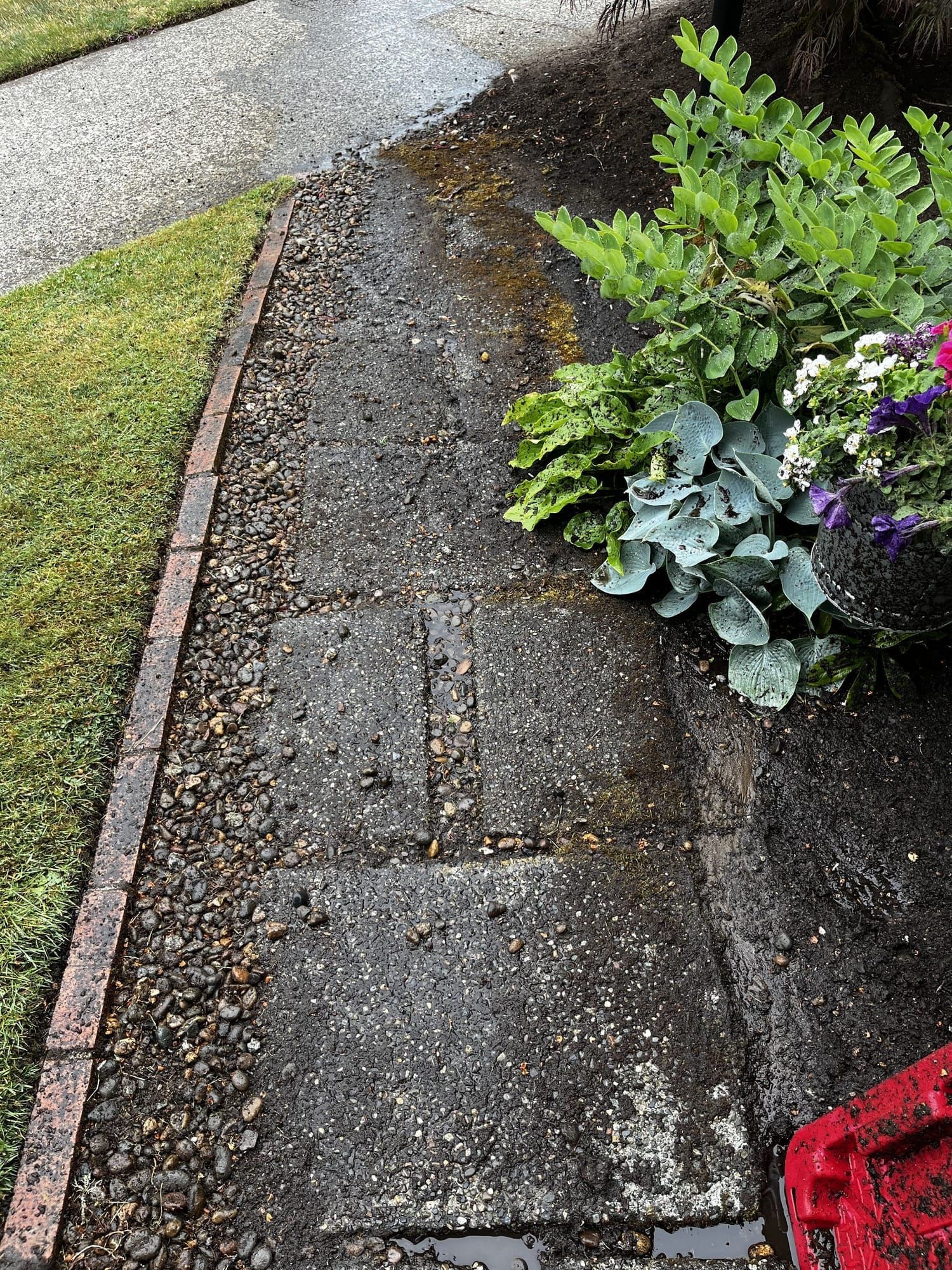
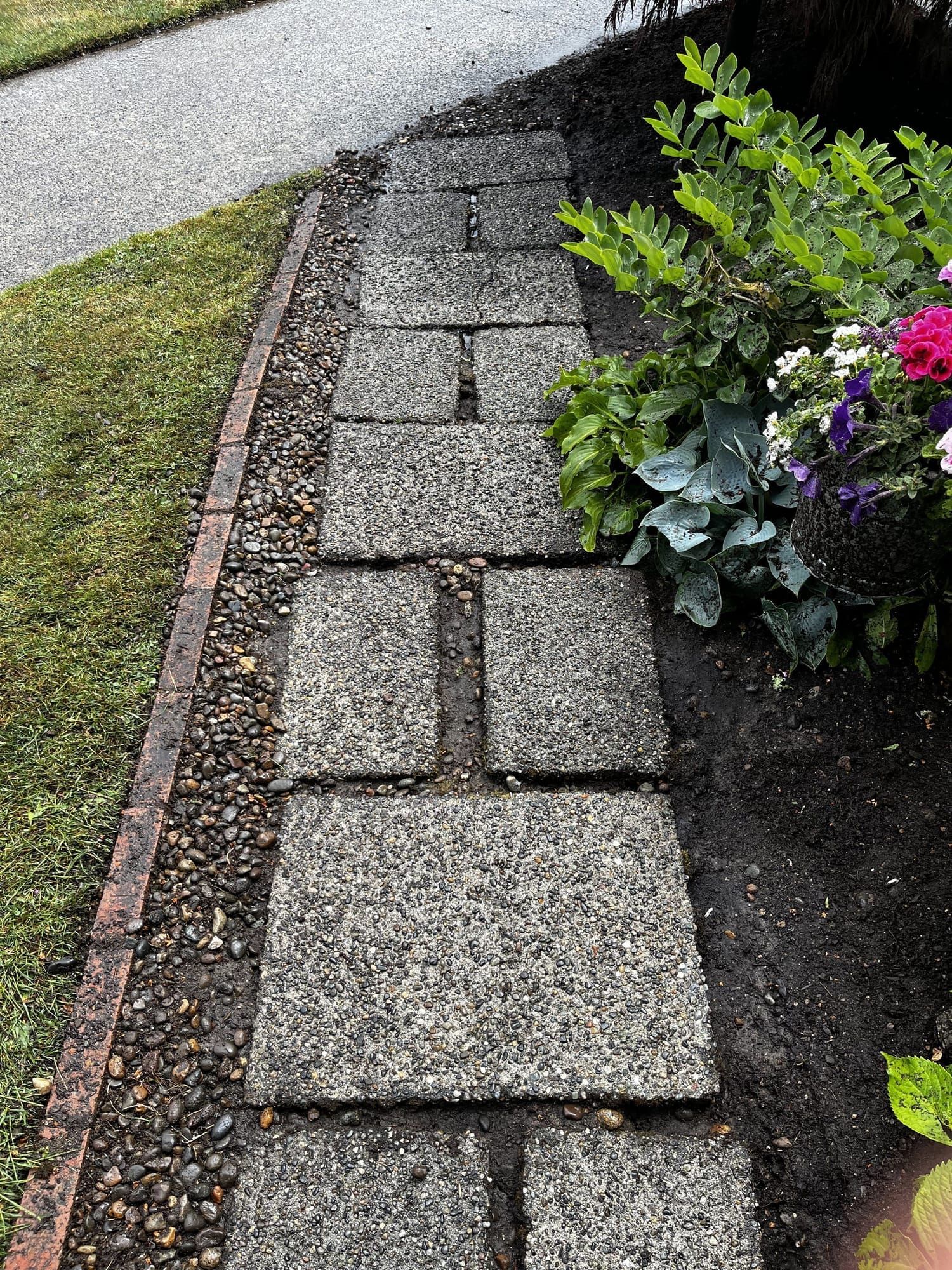
Concrete that looks like it did new.

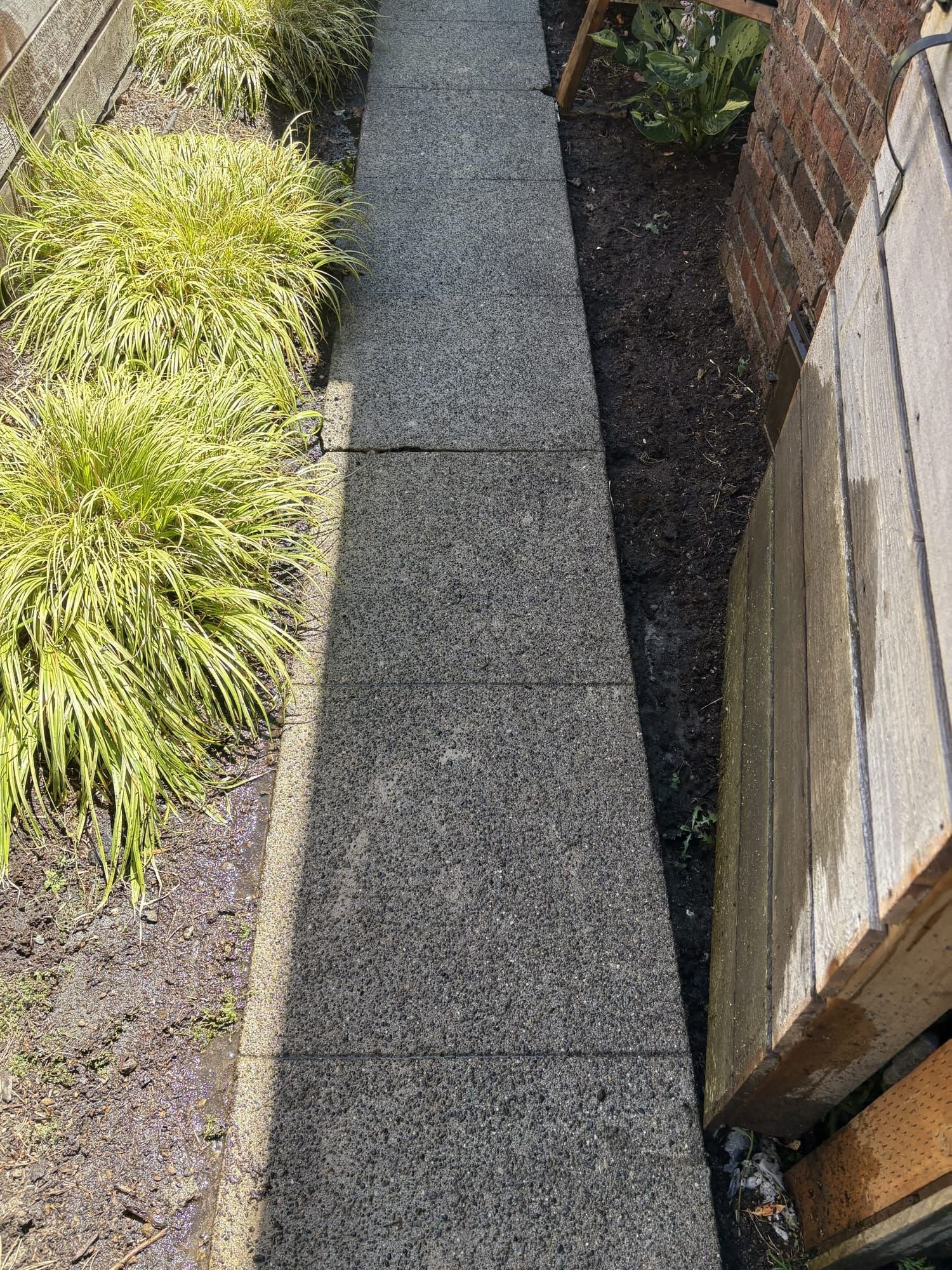
Driveways, patios, walkways, retaining walls, stairs. Years of dirt, tire marks, oil drips, and that gray film of grime — gone. The right pressure with the right tip for the right surface.

When pressure is the right call

Hard surfaces. Real pressure. No damage.

Concrete & stone

Driveways, patios, sidewalks, retaining walls. These surfaces handle higher pressure and they need it to lift embedded dirt.

Surface cleaners

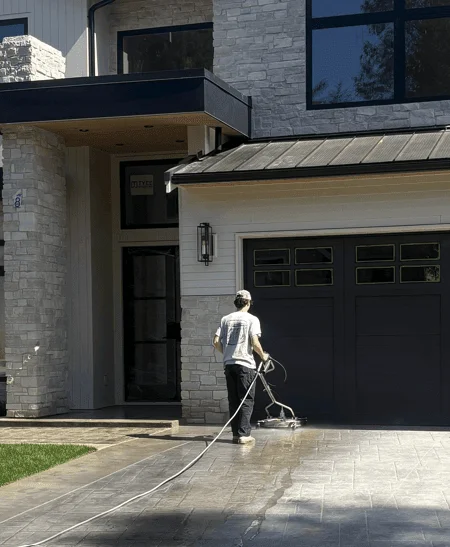
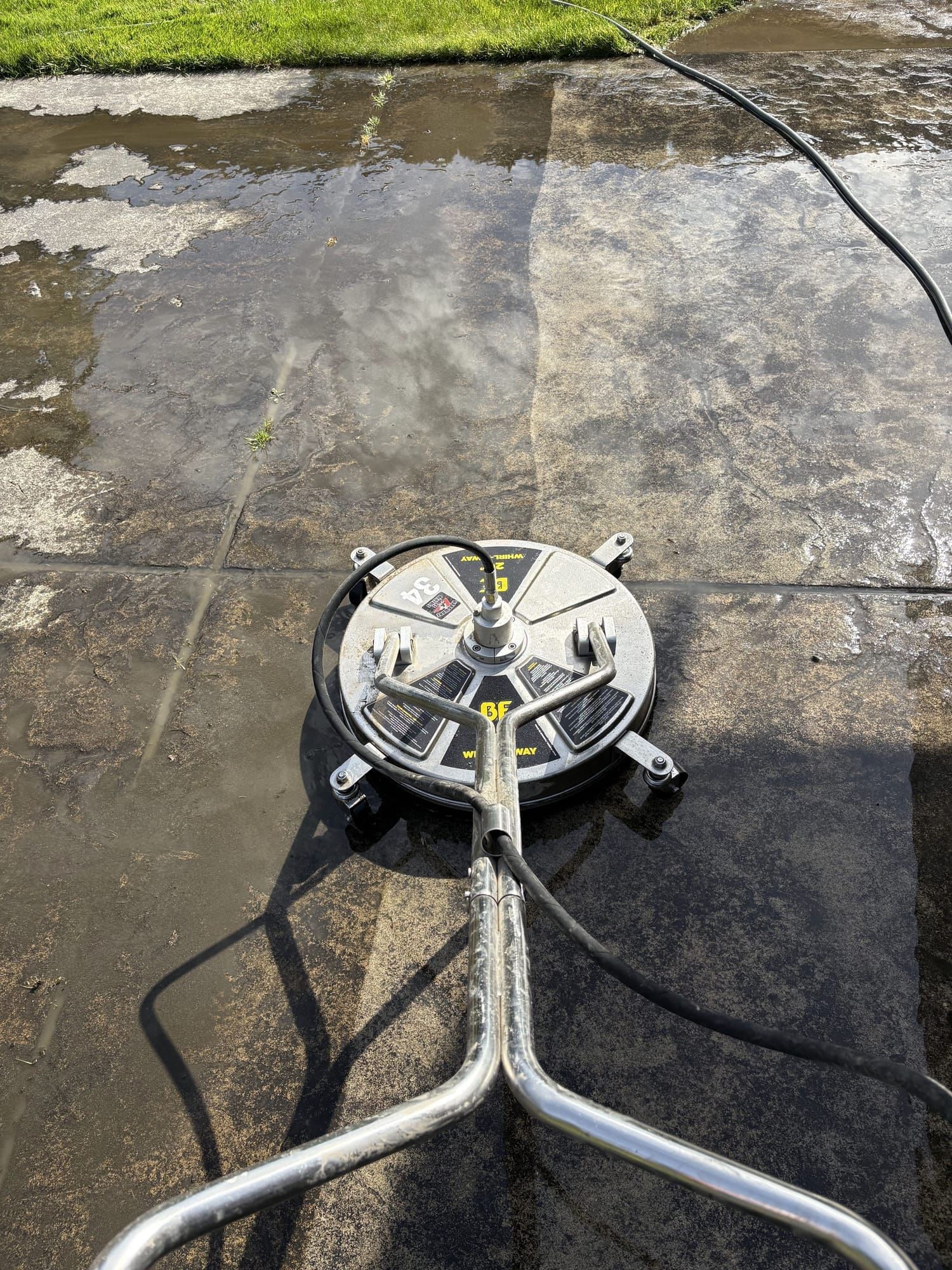
Round attachments that look like floor buffers — they give an even finish without leaving the striped lines you get from a wand alone.

Pre-treat for stains

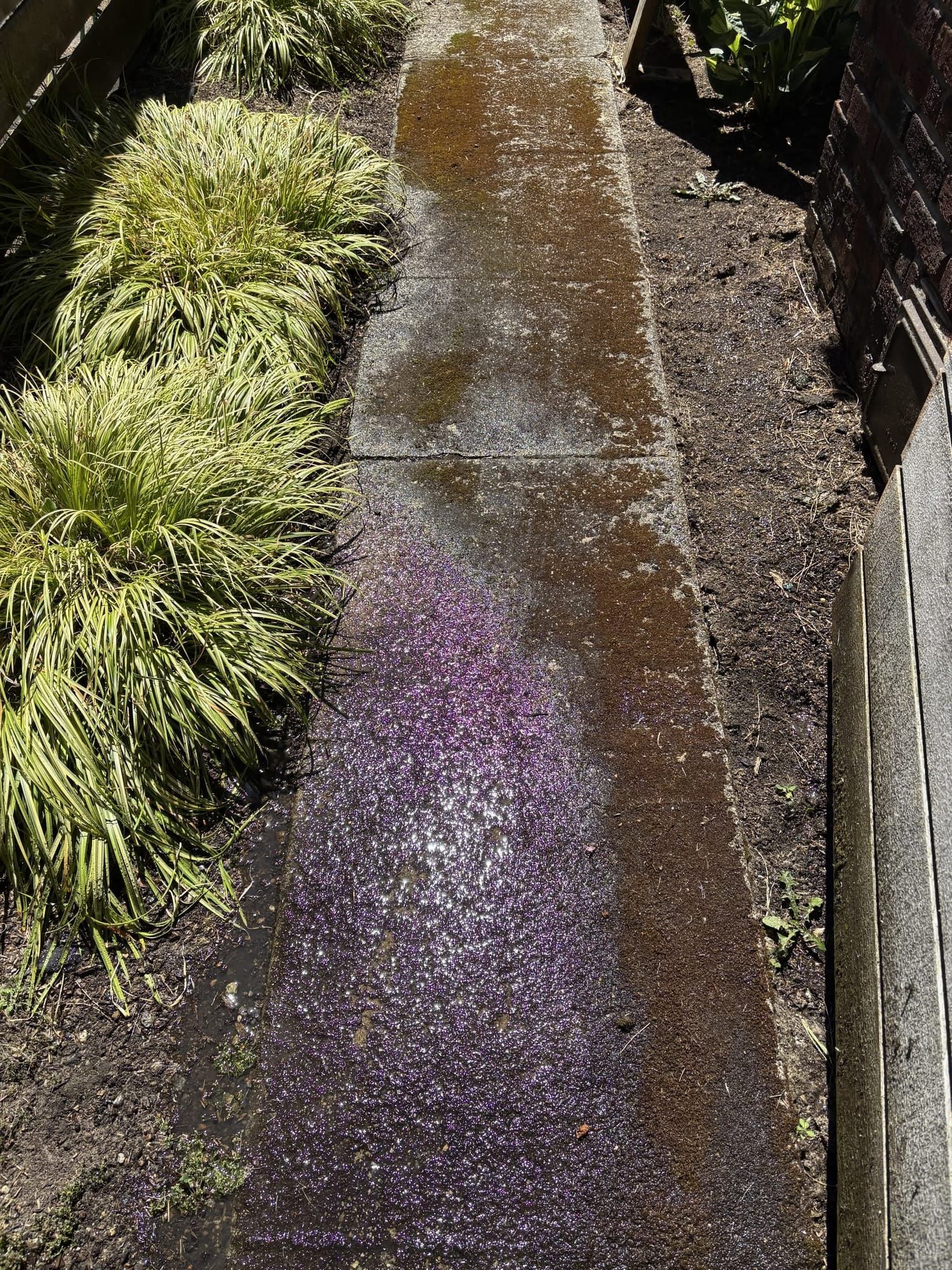
Oil drips, rust marks, organic stains — pre-treated with the right solution and given time to dwell before pressure does the lifting.

How it goes

Pre-treat, surface clean, detail rinse.

  1. 01
    Pre-treat

    Oil, rust, and organic stains treated with the right chemistry and given time to break down before pressure touches them.

  2. 02
    Surface clean

    Surface cleaner across open areas for an even finish — no stripes, no missed spots.

  3. 03
    Detail and rinse

    Edges, corners, and detail work done by hand with the wand. Final rinse to flush loosened grime off the property.

Surfaces we pressure wash

Built for hard surfaces.

  • Concrete driveways
  • Concrete patios
  • Sidewalks & walkways
  • Stairs
  • Retaining walls
  • Paver stones
  • Brick patios
  • Garage floors
Common questions

What people ask us about this.

What is soft washing and how is it different from pressure washing?

Soft washing uses low pressure and specialized cleaning solutions to safely remove organic growth like moss, algae, and mildew. Unlike traditional pressure washing — which relies on high pressure to blast away dirt — soft washing kills growth at the root so it doesn't come back as quickly. It's the right method for delicate surfaces like roofs, siding, and painted wood.

What surfaces should be pressure washed, not soft washed?

Concrete and stone — driveways, patios, walkways, retaining walls, stairs. These hard surfaces handle higher pressure and need it to lift embedded dirt, oil, and tire marks. Soft wash is for delicate surfaces; pressure wash is for concrete.

Will pressure washing damage my concrete?

Not when it's done right. We use the correct tip and distance for the surface — too close or too narrow a tip can etch concrete. Surface cleaners (the round attachments that look like floor buffers) give an even finish without leaving lines.

Can you remove oil stains from a driveway?

Most of them — we pre-treat with a degreaser, let it dwell, and then pressure wash. Old, deep stains may lighten but not disappear entirely; we'll tell you upfront what to expect when we look at the property.

See all FAQs →

Driveway looking tired?

Send a photo to (360) 230-8759. Quotes are usually same-day.